The internet is a scary place. If you grew up in the early 2000s as I did, we were told this from a very young age. By the time I was in third grade, around 2009, computer classes were becoming a weekly occurrence. We learned how to use a computer, how to start writing on a computer, and most importantly, computer safety.
This is one lesson that always stuck with me, and it became very evident that those much older than me, such as my mom and other family members, did not get this lesson. By the time I was in middle school, the internet was everything. We began to do schoolwork online in seventh grade and began our typing classes around the same time. We were constantly reminded how the internet can be used for good, but more importantly, how to use it safely. Never speak to strangers online, never post that you’re going on vacation, don’t post personal information like the school you go to or where you live, and so much more.
This all was drilled into my head at a young age, but I realized this was not taught to most adults in my life. The concept of how vast the internet is, or more importantly, how permanent the internet is, did not seem to resonate with them. The constant posts on Facebook, the arguments in comments, the personal vacation photos all were online.
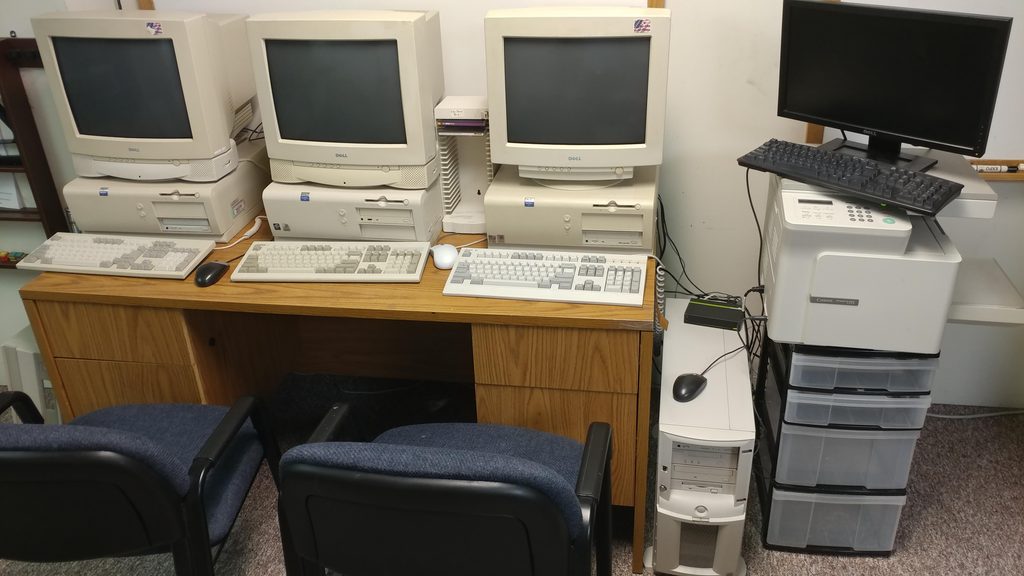
All this being said, there is a clear divide between the older generations and younger generations on the internet as a whole. One thing that is not discussed enough is energy. Through all the training and lectures of being safe online, how the internet ACTUALLY works remains a mystery to most people.
The concept of energy is becoming more talked about; however, bringing to light the actual effects of the IT industry. Now that data centers are in the news, more people are seeing and experiencing the effects that data centers have on the environment and are more aware of the energy that is used to power the things we take for granted: the internet.
What’s going on?
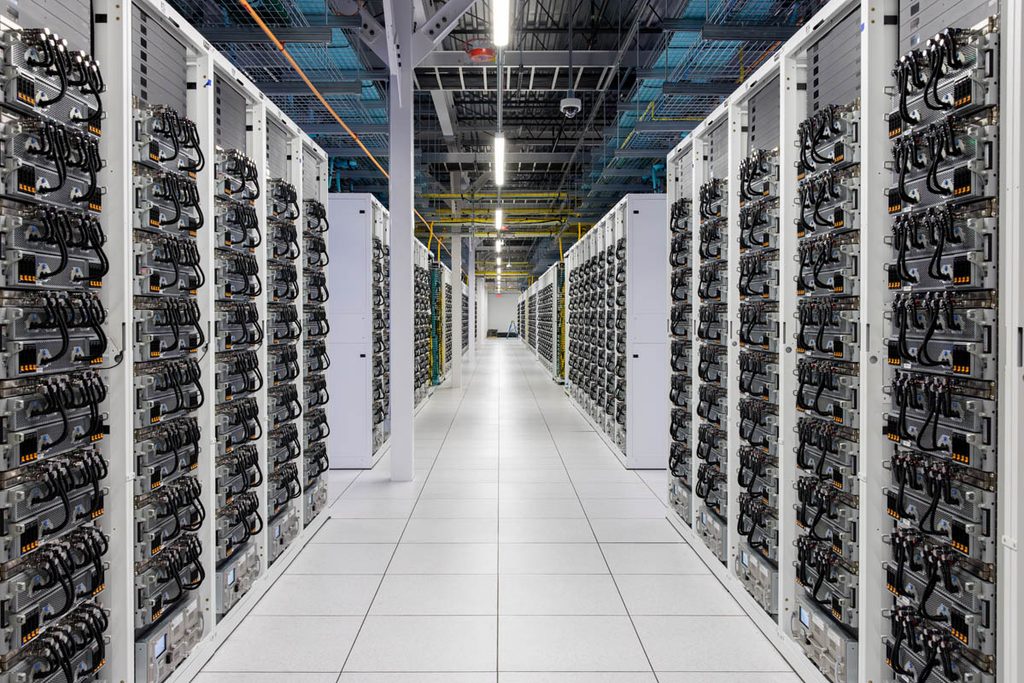
With AI now in the headlines almost every day, there is not a lot of public dialogue on how much energy and resources are used to power AI. This year in 2026, according to MIT News, the electricity consumption of data centers is expected to approach 1,050 terawatt-hours (Zewe, 2025). Not only are data centers using an exorbitant amount of energy, but the water usage is through the roof. This question is asked a lot when the issue of water and AI is brought up. How is AI using up water? The answer lies in the fact that data centers don’t live in an imaginary “cloud,” as many people perceive the internet to be. The fact is that data centers live in the real world and need to be run. In order for them to run, the centers need to be cooled down, and the way they are cooled is by using water. Zewe (2025) states, “Chilled water is used to cool a data center by absorbing heat from computing equipment. It has been estimated that, for each kilowatt hour of energy a data center consumes, it would need two liters of water for cooling.”
Jeff Kettle, a senior lecturer in Electronic Engineering at the University of Glasgow, wrote a piece about whether solar power could be used as an alternative energy source in the future of the internet. He pushes the notion that the internet is leaving a major carbon footprint through servers. His article “The internet consumes extraordinary amounts of energy. Here’s how we can make it more sustainable” was published in 2021, before AI companies launched tools like ChatGPT, Grok, or Claude, making AI more accessible to everyone. Kettle discusses the amount of energy that data servers and everyday internet users are producing, such as pointing out that the IT industry could use 20% of all electricity produced and emit up to 5.5% of the world’s carbon emissions (Kettle, 2025).
Is the Sun the answer?
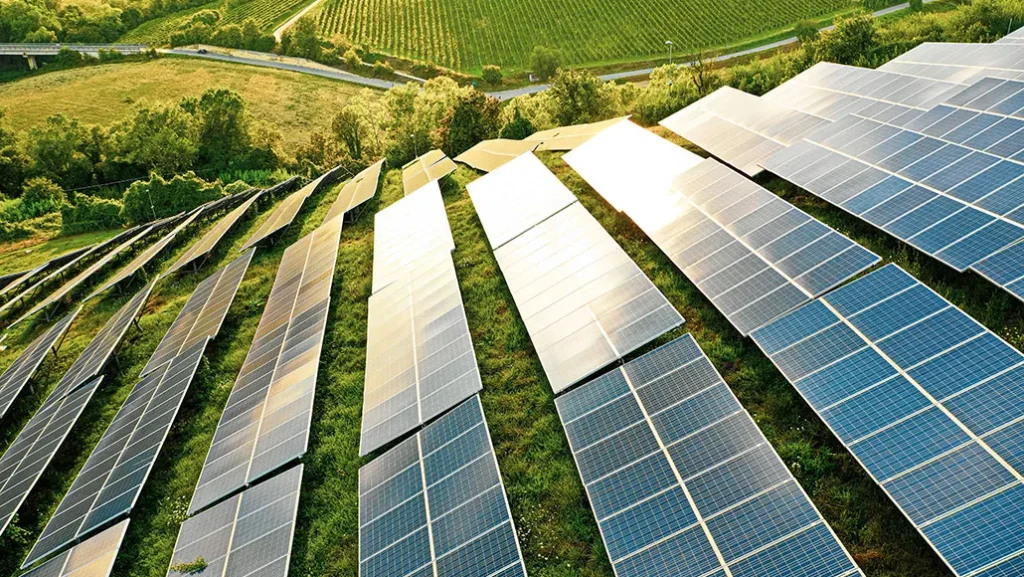
In his piece, he discusses the need for a more sustainable internet. How can we build less energy-intensive websites? Kettle considers the idea that the sun might be our best hope for bringing down CO₂ emissions. Solar-powered servers could run across the globe and help us power the internet. Kettle acknowledges some challenges around this idea, such as cloud quality and how that can affect a website, but believes that this may be the radical step that needs to be taken.
Liv’s thoughts!
As I started this post, the internet is scary. How does the internet actually work? Equally as scary. I mentioned earlier that being born in the early 2000s and growing up with the internet can really shape your worldview. I grew up with climate change being a hotly debated topic, and internet safety being taught in the classroom. These are important factors when I discuss my feelings about the internet and AI.
I ended my undergrad degree in 2023. My last semester was the first time I heard the word “ChatGPT.” All of a sudden, it was all some people could talk about. It was writing some of my friends’ papers for them. The thought of getting caught for cheating or plagiarism terrified me. I was so close to the end; I was not willing to risk it all so I could get out of a paper, so I never used it. I genuinely am so grateful that it never came out until the end of my college experience, because I was forced to write and learn to get my degree (crazy, I know)
Now, AI is everywhere. My boss asks me to use it every day. They want us to generate flyers with it, those god awful flyers you see on Facebook all the time. I remember telling my boss, a fifty-year-old woman, how much water ChatGPT uses. She had no idea. And why would she? This wasn’t common knowledge. This tool looks like a godsend. In some ways, it is. I understand the appeal, believe me, and I won’t say I never use it. But every time I do, I think of a bottle of water being dumped out in front of me.
Climate change has been on my mind since I learned the term “global warming” and thought of the penguins’ ice melting in the second grade. I thought, surely this will be handled in the future. At 25, it has only gotten worse. Understanding how the internet and data centers play a role in this is something that everyone should be aware of.
Knowing how to use the internet ethically and understanding its impact is something that everyone should learn and begin to implement. No one is perfect, and us writing on our blogs, posting an Instagram story, or googling the score of the game is not really the problem. Large corporations that suck out all the energy without a care for their environmental impact are the problem. The fact that there are little to no government regulations on their usage is the problem.
I don’t think we can fix the problem alone. You must reach out to your representatives, congressmen, and senators. You have to vote in accordance with your views. Sign petitions, donate to causes. Whatever you can do to get your voice heard.
Below, I have linked some different petitions to stop the building of data centers. If you feel inclined to read and/or sign, please do!
-Liv
References
Kettle, J. (2021, June 9). The internet consumes extraordinary amounts of energy. here’s how we can make it more sustainable. The Conversation. https://theconversation.com/the-internet-consumes-extraordinary-amounts-of-energy-heres-how-we-can-make-it-more-sustainable-160639
Zewe, A. (2025, January 17). Explained: Generative AI’s environmental impact. MIT News | Massachusetts Institute of Technology. https://news.mit.edu/2025/explained-generative-ai-environmental-impact-0117
Leave a Reply